

Rest feels like a luxury for a lot of us. Work feels like the only thing that counts. That mindset has a name: toxic productivity. It is the belief that you must always be doing something useful, or you are wasting your life. This article looks at what toxic productivity actually is. It explains why it burns people out. Then it covers how to stay focused and genuinely productive without falling into that trap.
What Is Toxic Productivity?
Toxic productivity is the drive to be productive at all times, even when it costs your health. It turns rest into something you have to earn. You start to feel guilty for sitting still, watching a film, or going to bed early. The pressure does not come from one boss or one deadline. It comes from a wider culture that treats busyness as proof of worth. Under toxic productivity, your value gets measured by output, not by how you actually feel or live.
This differs from simply working hard. Working hard on a project you care about, with clear limits, is healthy. Toxic productivity has no limits built in. It pushes you to add one more task after the task is already done. It tells you that resting is falling behind, even when your body and mind are asking for a break.
Toxic Productivity vs Healthy Productivity
Healthy productivity has an end point. You plan your work, you do it, and then you stop. Toxic productivity has no end point. It just keeps demanding more, no matter how much you have already done. That difference matters more than most people realise.
Healthy productivity treats rest as part of the process. Toxic productivity treats rest as a reward you have not yet earned, or worse, as laziness. Healthy productivity lets you feel proud of a day’s work and then switch off. Toxic productivity leaves you scrolling through your to-do list at 11pm, hunting for one more thing to tick off.
The clearest sign of toxic productivity is guilt. If you feel guilty for resting, even after a full day’s work, that guilt is doing the talking, not your actual workload. Healthy productivity does not produce that guilt. It produces satisfaction, followed by proper rest.
The Toxicity of Productivity
Productivity in Modern Society
Modern society treats constant output as a virtue. Phones, laptops, and apps mean work can follow you everywhere, all day. Many people wear a packed schedule like a badge of honour. Saying “I’m so busy” has become a normal answer to “how are you?” That normalises a pace that is not sustainable for most people, most of the time.
This pressure builds slowly. Nobody sits you down and tells you to work through your lunch break. It shows up in small messages. An email sent at 10pm, a colleague who never switches off, a culture that quietly rewards whoever answers fastest. Over months, those small signals add up to a belief that rest is optional and work is not.
The Consequences of Toxic Productivity
Toxic productivity has a real cost. It leads to burnout, which is exhaustion that does not lift with a normal weekend off. It leads to poor sleep, because your mind stays switched on even when your body has stopped. It leads to lower quality work, because a tired brain makes more mistakes and takes longer to fix them.
There is also a personal cost that is easy to miss. Relationships suffer when work always comes first. Hobbies fade away because there is no energy left for them at the end of the day. People caught in toxic productivity often cannot say what they enjoy any more, because they have not done anything except work for months.
The Need for Balance Between Rest and Being Productive
Balance is not the opposite of productivity. Balance is what makes productivity last. A person who works flat out for two weeks and then collapses gets less done, over a year, than a person who works steadily with proper breaks. Rest is not time away from productivity. Rest is part of how productivity keeps working.
Think of it like running a car. You can run an engine hard for a while, but without fuel, oil, and rest between long trips, it breaks down. People are the same. Skipping rest to “get ahead” often means falling further behind later, once burnout forces a much longer break than you would have chosen yourself.
The Importance of Rest
Clearing the Mind
A cluttered mind struggles to focus on anything. Constant work fills your head with half-finished tasks, worries, and notifications. Rest gives your mind room to settle. Without that space, even simple decisions start to feel hard, because your attention is split across ten open loops at once.
This is why a short walk after a stressful meeting often helps more than pushing straight into the next task. The walk does not solve the problem. It clears enough space in your head that you can think about the problem properly when you sit back down.
Reducing Stress
Working non-stop keeps your stress hormones raised for long stretches. That is fine for a day or two. Over weeks and months, it wears the body down. Rest lets those stress levels drop back to normal. That drop matters for your heart, your sleep, and your mood, not just your productivity.
People often assume stress is only about how they feel emotionally. It also shows up as tense shoulders, headaches, and poor sleep. Regular rest is one of the simplest ways to bring those physical signs back under control. It does not need anything more complicated than time away from work.
Boosting Creativity
Some of your best ideas turn up when you are not trying to have them. In the shower, on a walk, half asleep. That is not an accident. When you stop focusing hard on a problem, your brain keeps working on it in the background. It often makes connections you would have missed while staring at a screen.
Toxic productivity crowds out that background thinking. If every spare minute is filled with another task, your brain never gets the quiet time it needs to make those connections. Creative people who protect real downtime tend to produce better ideas than people who grind through every waking hour.
Healing the Body
Rest is not just mental. Your body repairs muscle, restores energy, and strengthens your immune system while you sleep and relax. Push through tiredness for too long and that repair work never finishes properly. That is when people start getting ill more often, or picking up small injuries that will not heal.
Good sleep is the clearest example. Skipping sleep to finish more work might feel productive for one evening. Over a week, it makes you slower, more forgetful, and more likely to make costly mistakes. The body eventually collects the debt, usually at the worst possible time.
Starting the Day Right
Minimal Stimulation
Reaching for your phone the second you wake up throws your brain straight into other people’s demands. Emails, messages, and news all compete for your attention before you have even had a coffee. That rush sets a stressed, reactive tone for the whole day.
A gentler start works better. Give yourself the first few minutes, or even the first hour, before checking anything work-related. Let your mind wake up on its own terms. It sounds small, but it changes how calm or frantic the rest of your day feels.
Waking Up the Mind
Your brain needs a short warm-up, much like your muscles do before exercise. Jumping into the hardest task of the day the moment you sit down often backfires. You are more likely to stall, get distracted, or produce work you will need to redo later.
A simple warm-up routine helps: a coffee, a short walk, five minutes of quiet, or reading something unrelated to work. None of this wastes time. It sets you up to do better, faster work once you actually start, instead of fighting your own tiredness for the first hour.
Enhancing Productivity
A calm start to the day pays off later. People who ease into their mornings tend to focus better once they sit down to work. That beats sprinting into deadlines from the moment they wake. The goal is not to do less. The goal is to start well, so the work that follows goes more smoothly.
This is one of the simplest ways to fight toxic productivity in daily life. It does not ask you to work less overall. It asks you to protect a small, calm window at the start of the day, so the rest of your hours are not spent recovering from a rushed, stressful morning.
Clearing the Mind Through Daily Habits
Spending Time in Nature
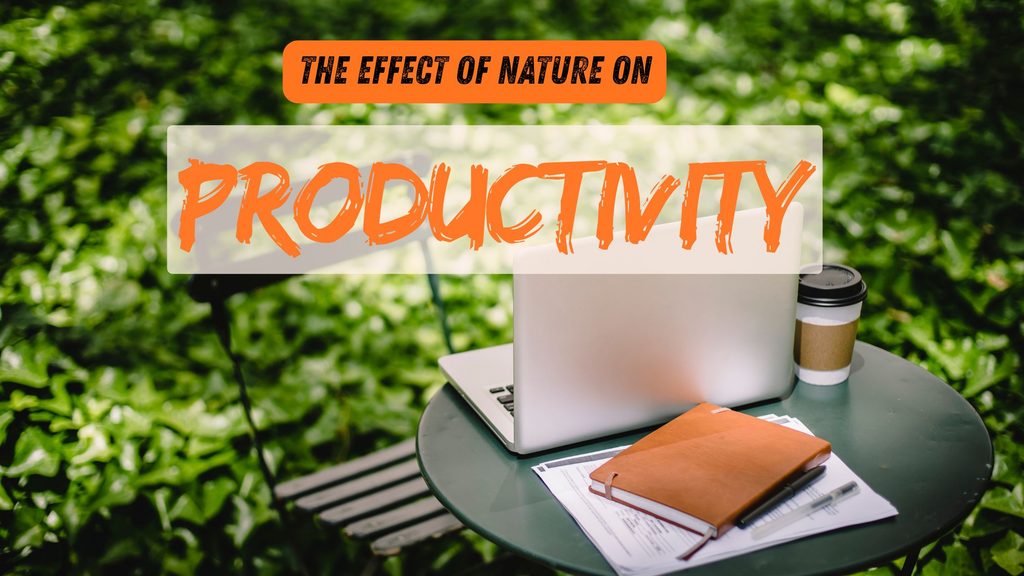
Spending time in nature is one of the most reliable ways to reset a tired mind. Even twenty minutes outside, away from screens, lowers stress and helps you refocus. You do not need a big trip. A short walk around the block or a few minutes in a garden works.
Nature gives your brain a break from constant decisions and notifications. There is nothing demanding your attention out there the way a phone does. That quiet is exactly what an overworked mind needs, and it is one of the easiest habits to fit into even a packed day.
Engaging in Mind-Clearing Activities
Rest is not only about doing nothing. Activities like journaling, stretching, or deep breathing exercises actively help clear a busy mind. These give your thoughts somewhere to go, rather than leaving them circling around unfinished work.
Writing your thoughts down gets them out of your head and onto paper. Once they are on paper, they stop demanding your attention. If you want a simple way to start, checking out on Amazon my daily journal is one option some readers have found useful.
Setting Boundaries
Turning Off Alerts
Notifications train your brain to expect constant interruption. Every buzz pulls your attention away from what you are doing, even if you do not check it straight away. Turning off non-essential alerts, especially outside working hours, protects your focus during the day and your rest in the evening.
This one change removes a huge amount of low-level stress. You stop feeling like you might be missing something urgent every few minutes. Work still gets done. It just gets done without your phone pulling you back into it all evening.
Not Working After Hours
Answering emails at 9pm might feel responsible. Over time, it tells your brain that work never really ends. That is a core part of toxic productivity: it treats being available at all hours as valuable. Really, it just makes you more tired.
Set a clear stop time and stick to it. Tell colleagues when you are and are not reachable. Most tasks that feel urgent at 9pm can wait until the next morning. Protecting that line keeps evenings for rest, which is exactly what your focus needs the next day.
Prioritising Rest
Boundaries only work if you treat rest as a real priority, not something you get to if time allows. Put rest in your plans the same way you would a meeting. That might mean blocking out an evening, protecting a full weekend day, or simply deciding that 6pm is when work stops.
Prioritising rest is not about doing less work overall. It is about making sure rest actually happens. Otherwise it gets quietly pushed out by “just one more thing.” Toxic productivity thrives when rest is the first thing to go. Treating rest as fixed, not optional, is how you stop that pattern.
Taking Regular Days of Rest
Maintaining Focus Makes Us Productive
Focus is a limited resource. It drops through the day, and it drops further across a week without a proper break. A full day of rest, once a week, gives your focus a real chance to recover. Without it, focus just limps along at a reduced level every day.
People who take regular days off often get more done in the days they do work. Their focus is sharper, because it has had time to reset. Skipping rest to “save time” usually costs more time later, through slower work and more mistakes.
Preserving Productivity at the Expense of Rest
Some people push rest aside to protect their output, thinking it is the safer choice. It usually backfires. Preserving productivity at the expense of rest works for a short burst, then starts costing you the very productivity you were trying to protect.
The pattern is familiar. Skip the day off, push through the tiredness, and each day you get a little less done. By the end of the week, total output actually drops. A single rest day, taken on purpose, almost always produces better results than a week of forced, tired effort.
The Balance of Effort and Rest
Achieving Productivity
Real productivity is not about maximum hours. It is about getting meaningful work done consistently, without burning out halfway through the year. That takes a mix of focused effort and proper recovery, not effort alone.
Think about the difference between a sprint and a long run. Sprinting flat out works for short bursts. Most work is a long run, not a sprint. Pacing yourself, with rest built in, gets you further than trying to sprint the whole way and collapsing before the finish.
Avoiding Burnout and Stress
Burnout does not arrive suddenly. It builds up over weeks or months of running on empty. By the time it hits, simple tasks feel exhausting and motivation disappears, even for things you used to enjoy. Avoiding it means noticing the early signs and building rest in before you reach that point.
Watch for the warning signs: trouble sleeping, feeling tired even after a full night, dreading tasks that used to feel fine. These are your body’s way of asking for a break. Listening early is far easier than recovering from full burnout later.
The Obsession with Productivity
Toxic Obsession in Society Against Rest
Rest gets treated as suspicious in a lot of workplaces and social circles. Taking a proper lunch break can draw odd looks. Using all your holiday days can feel like you are doing something wrong, even though it is exactly what those days are for. That is toxic productivity showing up as social pressure, not just personal habit.
This obsession often gets dressed up as ambition. “Hustle” gets praised. Slowing down gets quietly judged. Over time, that pressure convinces people to measure their own worth by how tired they are. Actual quality of work, or of life outside it, gets forgotten.
Negative Effects on Well-being
Constant pressure to perform takes a toll that goes beyond tiredness. It affects mood, sleep, relationships, and how people see themselves. Someone caught in toxic productivity for long enough may start to believe they are only valuable when they are working. That is a heavy, unfair belief to carry.
Well-being is not separate from productivity. It is the foundation it stands on. A person who feels well, rested, and steady will produce better work over time. That holds true even if a stressed, guilt-driven person looks busier day to day.
Neglecting Rest
Excessive Focus on Effort
Effort matters, but effort without rest stops paying off after a certain point. Working twelve hours instead of eight does not mean fifty percent more gets done. Past a certain point, extra hours produce diminishing returns, and mistakes start eating into whatever time was gained.
People who focus only on effort often measure their day by hours worked, not by what actually got finished. That is a trap. A shorter, focused day with proper rest usually beats a long, tired one on real output, even though it looks less impressive on paper.
Ignoring the Need for Rest
Ignoring the need for rest does not make that need disappear. It just delays the bill. Sleep debt builds up. Stress builds up. Eventually, the body forces a break, often through illness or burnout, at a far less convenient time than a planned rest day would have been.
This is the core problem with toxic productivity: it treats rest as something you can skip indefinitely. You cannot. The need for rest is not a preference. It is a basic requirement for a mind and body that keep working properly.
Consequences of Not Enough Rest
Without enough rest, focus drops, mistakes rise, and creativity dries up. Work starts taking longer, not less, because a tired brain is a slow, error-prone one. The very productivity that overwork was supposed to protect ends up damaged instead.
There is also a longer-term cost. Chronic lack of rest is linked to worse health, lower mood, and strained relationships. None of that shows up on a to-do list, but all of it affects how well, and how long, you can actually keep working.
Common Mistakes People Make
Treating rest as a reward, not a requirement, is one of the biggest mistakes. People wait until they feel they have “earned” a break, which means the break rarely comes, because there is always another task waiting.
Filling every gap in the calendar is another common mistake. A free evening becomes a chance for one more task, instead of a chance to actually rest. Over time, that habit erases the difference between work time and personal time completely.
Measuring your worth by busyness is a third mistake. Feeling proud of never having a spare moment sounds like dedication. It is often a sign of toxic productivity, where being tired has quietly become the goal instead of a side effect.
Ignoring early warning signs is a fourth mistake. Trouble sleeping, low motivation, and constant tiredness are signals, not personality traits. Catching these early, and resting before burnout hits, is far easier than recovering once it has already taken hold.
Books and Resources Worth Checking Out
A few books have shaped how I think about balancing effort and rest. The Dawn of Everything challenges assumptions about how people have always worked and organised their time. Who Moved My Cheese is a short, simple read on adapting to change without burning out in the process.
Outlier: The Story of Success looks at what actually drives high achievement, and it is rarely just hours worked. The 7 Habits of Highly Effective People puts personal renewal, meaning rest, alongside effort as one of its core habits.
Deep Work makes the case for focused, limited hours over long, scattered ones. Getting Things Done and Essentialism both centre on doing fewer things well, instead of everything at once. How to be a Productivity Ninja and Scrum offer practical systems for managing workload without letting it take over. You can find more titles like these on my Amazon store.
If your workspace itself is adding to the stress, this is worth knowing. A workspace can quickly become filled with clutter and noise. That makes focus harder before you have even started.
Frequently Asked Questions
What is toxic productivity, in simple terms? Toxic productivity is the belief that you must always be working or achieving something, or you are wasting time. It turns rest into something you feel guilty about, instead of something you need.
How is toxic productivity different from just being ambitious? Ambition has goals and an end point. Toxic productivity has no end point. It keeps demanding more, no matter how much you have already achieved, and it ignores the cost to your health.
What are the warning signs of toxic productivity in my own life? Feeling guilty when resting, working through breaks, checking messages late at night, and measuring your day only by hours worked are all common signs. Constant tiredness that does not lift after a weekend is another.
Can I still be productive without falling into toxic productivity? Yes. Healthy productivity plans work, does it, and then stops. Set clear boundaries, protect rest, and measure your day by what actually got done, not by how tired you feel.
How do I start setting boundaries if my workplace expects constant availability? Start small. Turn off non-essential notifications outside working hours and set one clear stop time each day. Talk to your manager about realistic expectations. Small, consistent boundaries add up faster than one big change.
Conclusion
Toxic productivity promises that working harder, always, is the answer. It is not. Rest is not the opposite of productivity. Rest is what keeps productivity working over months and years, not just for one exhausting week.
Start small. Protect your mornings. Turn off alerts after hours. Take a real day off, on purpose, and stop treating it as something you have to earn. None of this makes you less productive. It makes your productivity last, instead of burning out halfway through the year.
If any of this struck a chord, you might enjoy this YouTube Video from Austin Williams, whose channel covers this topic well. His videos also cover these apps and this simple strategy for building better habits around rest. If this article helped you, you can buy me a coffee here, or buy a coffee, too, here.