
What It Means to Be Disciplined and Productive
Being disciplined and productive means doing what you planned, even when you do not feel like it. Productivity means using your time well, so your effort turns into real results. Put the two together and you get steady progress towards your goals. This guide draws on tips shared in this video by content creator Tam Kaur. She built a large following by sharing honest, simple advice on habits, mindset, and daily routines. None of her ideas are complicated. They just take consistent practice.
Building these habits pays off in ways beyond ticking off a to-do list. It can improve your time management, cut your stress, and give you a better work-life balance. Small changes today create momentum for bigger goals tomorrow. The rest of this guide breaks the process into steps you can start using right away.
Set Clear Goals to Become Disciplined and Productive
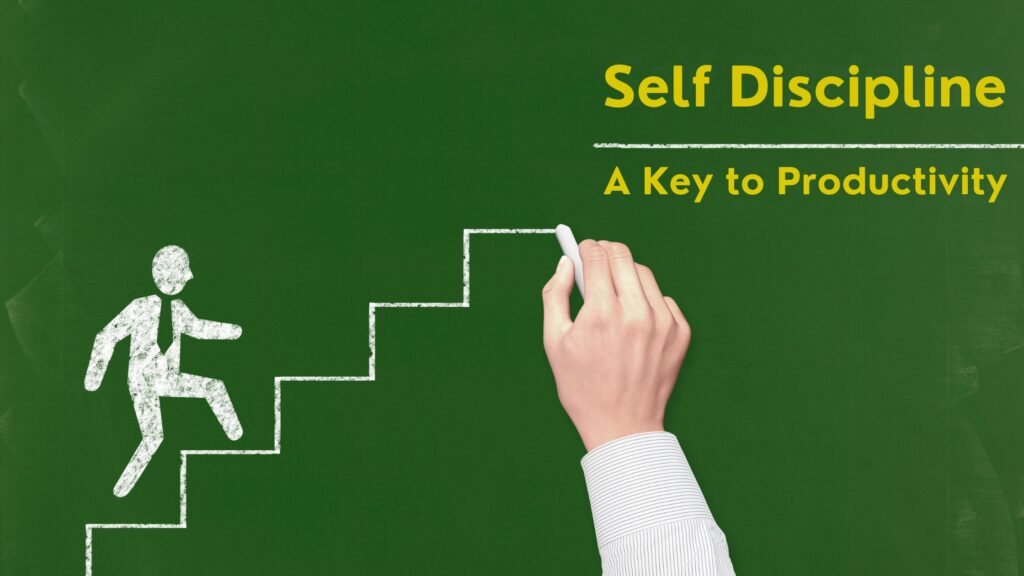
Goals give discipline a direction. Without a clear goal, it is hard to stay consistent, because you do not know what you are working towards. Start by picturing what you want your life to look like in a year. Then turn that picture into practical steps.
You need to set specific and measurable targets to work towards, with real deadlines attached to them. Break big goals into smaller milestones, so you can track progress along the way. Celebrate each small win. It keeps you going when the bigger goal still feels far off. Learning from setbacks, rather than dwelling on them, keeps your momentum alive.
Build a Routine You Can Stick To
A routine turns discipline into a habit, so you stop relying on willpower alone. Start by working out what matters most to you each day. Then build a schedule around it, with blocks of time for work, exercise, and rest.
Keep the plan realistic. Do not pack your day so tightly that one delay throws everything off. Build in breaks, so your energy does not run out by midday. A good planner helps you see the week at a glance and stay on track. I use a one-year monthly and weekly planner from my Amazon store here to plan my own days. If you slip up one day, do not give up on the whole routine. Just pick it back up the next day.
Stay Consistent When Motivation Fades
Consistency is what turns a plan into a habit. Doing something once will not change your life. Doing it every day, even imperfectly, will. Track your progress somehow, whether that is a habit tracker, a calendar, or a simple checklist.
Seeing a streak build up gives you a reason to keep going. If you miss a day, do not treat it as failure. Pick the routine back up the next day and keep moving forward. Small, steady effort beats short bursts of motivation that fade after a week. That is the real difference between people who stay disciplined and productive. It has little to do with talent, and everything to do with showing up.
Healthy Habits That Keep You Disciplined and Productive
Being disciplined and productive is not just about schedules and goals. Your body and mind need the right fuel to keep going. Healthy habits give you the energy and clarity to follow through on your plans. Skip them, and even the best schedule falls apart by mid-afternoon. Here are the daily habits that make the biggest difference.
Wake Up Early to Become Disciplined and Productive
Waking up early gives you quiet time before the day gets busy. It lets you plan, move your body, or just think, before messages start pulling at your attention. Aim for seven to eight hours of quality sleep, so your body has time to recover properly and remain disciplined and productive.
Go to bed and wake up at the same time every day, even on weekends. This keeps your body clock steady, so waking early feels natural rather than forced. Resist the urge to hit snooze, since a few extra minutes rarely feel like enough anyway. Journaling helped me build this habit, because writing down my goals each morning gave me a reason to get up. I now use a 365-day lined journal with 371 pages from my Amazon store here to keep the habit going.
Start Your Day With Joy
How you start your morning sets the tone for the rest of the day. Build in a few minutes for something that brings you joy. That might be coffee, a walk, or quiet time before the noise begins. Even a few minutes of meditation can clear your head. It lowers stress before you start work.
Eat a proper breakfast. People call it the most important meal of the day for good reason. It gives your body real fuel, rather than a quick sugar spike. Choose something colourful and nutritious, so you feel good rather than sluggish an hour later.
Eat Well to Fuel Your Day
What you eat affects how well you focus and how much energy you have for remaining disciplined and productive. Listen to your body rather than following strict rules about what you can and cannot eat. Favour whole foods most of the time, and drink enough water throughout the day.
There is no need to cut out treats completely. Balance works better than restriction, because restriction rarely lasts. Enjoy the foods you love, alongside meals that actually nourish you.
Plan Your Meals Ahead
Meal planning saves time and stops you reaching for whatever is fastest when you are tired. Set aside time once a week to plan your meals, so you are not deciding from scratch every evening. Look up a few new recipes, prepare ingredients in advance, and cook extra portions where you can.
A meal-planning app can make this easier, by keeping your recipes, shopping list, and schedule in one place. A little preparation on a Sunday saves real time during a busy week.
Find the Motivation to Stay Disciplined and Productive
Motivation comes and goes, so you need something steadier underneath it. Waiting to feel motivated before you act is a losing strategy. The feeling often shows up after you start, not before. These three habits give you that steadier base.
Know Your Why
Your why is the real reason behind your goal, not just the goal itself. Ask yourself what you actually want from this. It might be more freedom, proving something to yourself, or building a better life for your family. A clear why keeps you going when a goal feels far away or hard to reach.
Write your why down somewhere you will see it often. When motivation dips, your why is what pulls you back on track. It also helps you say no to things that do not serve it.
Set Priorities and Learn to Say No
You cannot do everything, so you need to know what matters most. Look at your goals and values, then work out which tasks actually move you forward. Say no to commitments that do not fit, even when they seem tempting in the moment.
This is not selfish. It protects the time and energy you need for what matters. Every yes to something small can be a no to something bigger, so choose carefully.
Visualise Your Success
Visualising success means picturing your goal in detail before you get there. Imagine how it will feel, what your day will look like, and the steps that got you there. This is not wishful thinking.
It is a way to rehearse the decisions and habits that lead to that outcome. Spend a few minutes each day picturing your progress. It keeps your goal vivid in your mind, rather than a vague idea you rarely think about.
Balance Discipline With Rest
Discipline without rest burns you out fast. Balance is what makes discipline sustainable over months and years, not just for a few intense weeks. The goal is not to work every hour you are awake. It is to protect enough time and energy that you can keep going tomorrow, and the day after that.
Set Boundaries
Boundaries protect the time and energy you need to stay disciplined. Start by understanding your own limits, so you know when to say no. Turning down a request that does not serve your goals is not rude.
It is self-care in practice, and it stops you burning out on things that do not matter to you. Set boundaries with your own time too, not just with other people. Decide when work stops for the day, and stick to it.
Rest Is Not Optional
Rest is not a reward you earn after enough hard work. It is part of the work itself, because your body and mind need time to recover. Make time for daily self-care, whether that is a bath, reading, or simple stretching before bed.
Build a calming bedtime routine, and keep a consistent sleep schedule, so your rest actually restores you. Hustle culture often glorifies hustle and burnout, as if constant work is a badge of honour. It is not. Real, lasting productivity depends on knowing when to stop.
Build Confidence and Stay Grounded
Discipline and productivity are not only about tasks and schedules. Confidence and a clear head matter just as much, since they shape how well you follow through. A packed schedule means little if self-doubt talks you out of starting. These habits, drawn from the wider “That Girl” routine, build the mindset that carries the rest of this guide.
Build Confidence
Confidence is not about being perfect. It comes from believing in yourself, even while you are still working towards a goal. Replace self-critical thoughts with honest, encouraging ones, and notice what makes you different from everyone else.
Confidence grows through small wins built up over time, not from waiting until you feel ready. The more consistent action you take, the more evidence you build that you can trust yourself.
Use Journaling to Get Clarity
Journaling gives you a private space to think things through. There are no fixed rules for how to do it. Write freely, answer a prompt, list what you are grateful for, or write a letter to your future self.
It helps you process your emotions and spot patterns in your thinking that you might otherwise miss. A few minutes a day is enough to notice real benefits over time.
Organise Your Space and Life
A cluttered space makes it harder to focus. Clear out what you do not need, and give everything else a proper place, using labels if that helps. Organise your tasks the same way you organise your home, by sorting what matters most from what can wait.
Build buffer time into your schedule for interruptions and rest, not just for tasks. A tidy space and a realistic schedule both reduce the mental load you carry each day.
Bounce Back From Setbacks
Setbacks, whether in work, relationships, or personal goals, are part of any journey. Let yourself feel the disappointment, rather than pushing it down. Lean on people you trust for support, and use the experience to learn something about what you actually want.
Reconnecting with hobbies and interests you had put aside can help you rebuild momentum. A setback is a chapter, not the end of the story.
Beat Procrastination With Simple Techniques
Beating procrastination is essential if you want to stay disciplined and productive. These three techniques work well together.
Use a Timer
The Pomodoro Technique is one of the simplest ways to beat procrastination. Set a timer for twenty-five minutes, and work on one task with no distractions. When the timer ends, take a short break, then start another twenty-five-minute block.
This makes a big task feel manageable, because you are only committing to twenty-five minutes at a time. The same short bursts of focused work also help students stay motivated and on track. The idea works just as well for adults.
Break Tasks Into Small Steps
Big tasks feel overwhelming, which is exactly why we put them off. Break the task down into the smallest first step you can think of, then just do that one thing. Once you finish it, move on to the next small step.
Momentum builds naturally this way. Before long, the task no longer feels as daunting as it did at the start.
Find an Accountability Partner
An accountability partner is someone working towards their own goals, who checks in with you regularly. Choose someone you trust to be honest with you. Share your progress with them, and let them share theirs with you.
Knowing someone else expects an update keeps you moving, even on days when motivation is low.
Overcome Fear of Failure
Overcoming fear of failure helps you stay disciplined and productive for the long run, not just for a good week.
Change Your Perspective
Fear of failure stops a lot of people before they even start. Reframe failure as feedback, not as proof that you are not good enough. Every attempt, successful or not, teaches you something useful for next time.
Treat setbacks as part of the process, not as a verdict on your ability. This shift alone makes it easier to take the risks that lead to growth.
Take Small Steps
Big, ambitious goals can feel frightening when you look at them all at once. Break your goal into small, achievable steps instead. Each completed step builds your confidence for the next one.
Over time, small steps add up to genuine progress, without the fear that stops you before you begin.
Learn From Mistakes
Mistakes are a normal part of learning anything new. They are not a reflection of your worth or your ability. Look at what went wrong, take the lesson, and adjust your approach for next time.
People who improve fastest are usually the ones who treat mistakes as information, not as a reason to quit.
Common Mistakes People Make When Trying to Be Disciplined and Productive
Even with the best intentions, certain habits get in the way. Watch out for these common mistakes.
- Setting goals that are too vague to act on, instead of clear, measurable targets.
- Trying to change every habit at once, rather than building one habit at a time.
- Skipping rest, which leads to burnout rather than better results.
- Giving up after one missed day, instead of simply returning to the routine.
- Comparing your progress to someone else’s, instead of tracking your own growth.
- Relying only on motivation, instead of building routines that work without it.
Most of these mistakes come from expecting perfection, rather than steady effort. Notice which ones apply to you, and fix just one at a time.
Follow Tam Kaur for More Tips
Tam Kaur shares more tips like these on Instagram and YouTube, under the handle @tamkaur. Her content is a good source of honest, simple advice, if you want more ideas beyond this guide. Her approach lines up closely with the steps covered here: clear goals, steady habits, and enough rest to keep going. She talks openly about her own setbacks too, which makes the advice easier to trust. It rarely feels like advice from someone who has never struggled with the same things you are working on.
Recommended Books to Build Discipline and Productivity
These books helped shape the ideas in this guide. Each link goes to the book on Amazon.
- The 7 Habits of Highly Effective People: Powerful Lessons in Personal Change by Stephen Covey.
- Deep Work: Rules for Focused Success in a Distracted World by Cal Newport.
- Getting Things Done: The Art of Stress-Free Productivity by David Allen.
- Essentialism: The Disciplined Pursuit of Less by Greg McKeown.
- How to Be a Productivity Ninja: Worry Less, Achieve More and Love What You Do by Graham Allcott.
- Scrum: The Art of Doing Twice the Work in Half the Time by Jeff Sutherland.
Frequently Asked Questions
What is the fastest way to become more disciplined? Start with one small habit, and repeat it every day until it feels automatic. Trying to change everything at once usually backfires, because willpower runs out fast. Small, consistent habits are the fastest route to becoming disciplined and productive.
How long does it take to build a new habit? It varies from person to person, but most habits take a few weeks of daily repetition to feel natural. Consistency matters more than speed. A habit practised imperfectly every day beats a habit done perfectly once a week.
What if I keep losing motivation? Motivation naturally comes and goes, so do not rely on it alone. Build routines and systems that keep you moving even on low-motivation days. Revisiting your why, covered earlier in this guide, also helps bring your focus back.
Can I be productive without being strict with myself? Yes. Discipline works best alongside rest and self-compassion, not against them. Being too strict often leads to burnout, which undoes your progress. Balance effort with proper recovery, so you can keep going for the long term. A flexible routine you actually follow beats a strict one you abandon after a week.
Where can I learn more tips like these? Tam Kaur’s videos are a good place to start, alongside the books recommended in this guide. Explore other articles on this site too, for further tips on productivity, mindfulness, and beating procrastination.
Final Thoughts
Becoming disciplined and productive is not about being perfect every day. It is about showing up consistently, even when it is hard. Set clear goals, build a routine that fits your life, and give yourself proper rest along the way.
Small, steady habits, practised daily, add up to real change over time. Start with one habit today, and build from there.