Southern Africa Federation of the Disabled (SAFOD)
2021-2022: Social Media Assessment for Young People with Disabilities
I led this social media assessment for young people with disabilities as Research Coordinator. UNICEF funded the work across five countries: Botswana, Namibia, Mozambique, Malawi and Zambia. It was part of SAFOD’s Inclusive Young Voices (#IYV) project.
The assessment explored how young people with disabilities use social media, the opportunities it creates for inclusion and advocacy, and the barriers they face in accessing and engaging with digital platforms.
The problem
SAFOD had trained young people with disabilities to blog on WordPress before. The Norwegian Federation of Organisations of Persons with Disabilities (FFO) funded this earlier training, run with THISABILITY Newspaper in South Africa.
The training did not lead to lasting change. Trained youths and their organisations lacked money, devices and skills to keep using what they had learned. Before launching #IYV, SAFOD needed to understand this gap.
It needed to know how young people with disabilities and their organisations already used social media, and what stopped them using it well.
The solution: social media assessment for young people with disabilities
SAFOD launched #IYV with UNICEF, piloted in five countries: Botswana, Namibia, Mozambique, Zambia and Malawi. The project gives children and young people with disabilities a platform to use social media and other online tools. They can then advocate for disability rights within youth and children’s policies across the region.
Before any training took place, SAFOD ran an assessment built around two methods:
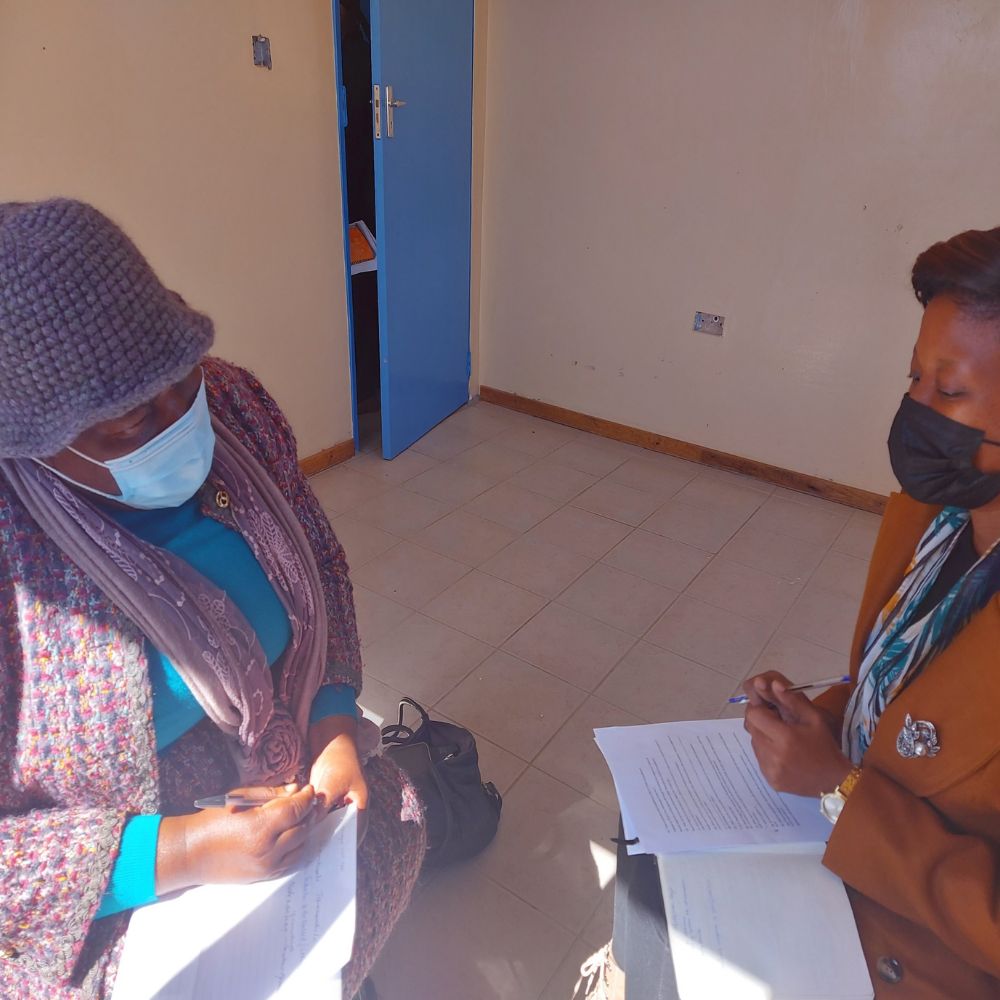
- One-on-one interviews with 100 young people with disabilities, 20 each from Botswana, Malawi, Zambia and Namibia.
- Focus group discussions with organisations of persons with disabilities (OPDs) in all five countries, including Mozambique.
What my team and I achieved
Here’s what the social media assessment for young people with disabilities involved:
Survey design and consent
We built a survey tool covering disability type, social media use, time online, followers, engagement, and training needs. We got informed consent from every participant before each interview.
Data collection
We ran one-on-one interviews and focus group discussions across the five countries. We worked with national federations, including BOFOD, NFPDN, FAMOD, FEDOMA and ZAFOD.
Data analysis
We found that over half of participants used Facebook more than any other platform. WhatsApp, Instagram, Twitter and TikTok made up the rest. Most OPDs judged their own success by counting likes, comments and shares, rather than tracking it in any formal way.
Report and recommendations
We wrote up the findings in a report with 14 recommendations. These covered training on other platforms, growing followers safely, and giving OPDs better access to devices, data and IT skills.