Southern Africa Federation of the Disabled (SAFOD)
2021-2022: Inclusive Young Voices — Youth Disability Advocacy Project
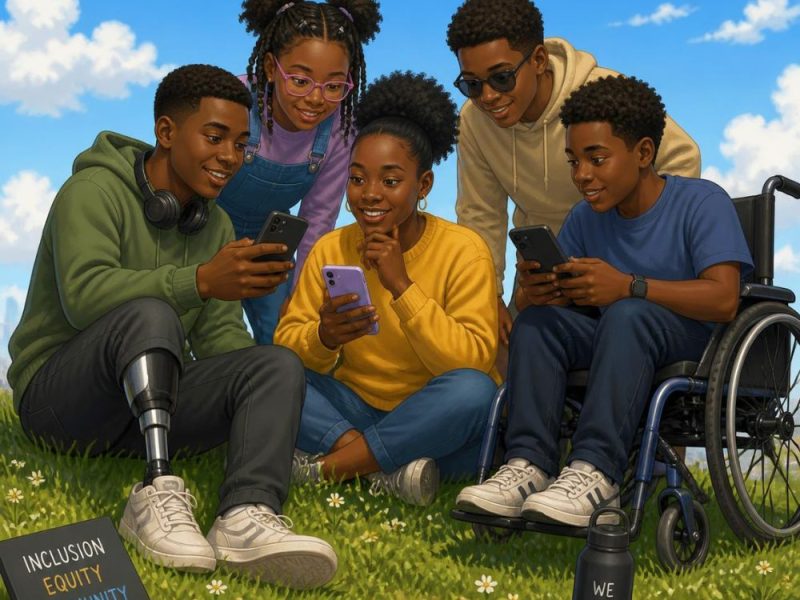
I led youth disability advocacy training for SAFOD’s Inclusive Young Voices project. It ran in Botswana, Namibia, Mozambique, Zambia, and Malawi. Young people with disabilities used social media and other online tools to make their voices heard.
The problem
Young people with disabilities in Southern Africa struggle to make their voices heard. Past efforts to train them in online advocacy did not work well. Most lacked data bundles, gadgets, and stable internet access. High data costs and weak connectivity, especially in rural areas, blocked their progress. Without support, these young advocates could not run effective campaigns for their rights.
The solution
SAFOD launched the #Inclusive Young Voices project to close this gap. The project gave 20 Youth Ambassadors data bundles and tablets to run their campaigns. SAFOD also trained staff and affiliates on child safeguarding to protect young participants. Youth Ambassadors then took their concerns straight to decision-makers through engagement meetings. This gave young people with disabilities a direct route to influence policy in their countries.
What my team and I achieved
Writers' Competition
Young people aged 15 to 24 wrote about disability issues. Winners joined the project as Youth Ambassadors and had their work published.
Child Safeguarding
UNICEF trained SAFOD staff on child safeguarding. SAFOD then passed this training on to its affiliates across all five countries.
Assessment Survey
The project surveyed youths and children with disabilities. This helped SAFOD understand how they use social media and what support they need.
Regional Webinar
SAFOD hosted a webinar to launch the project. Young people shared their views on disability rights and connected with other advocates.
Related Expertise and Project Experience
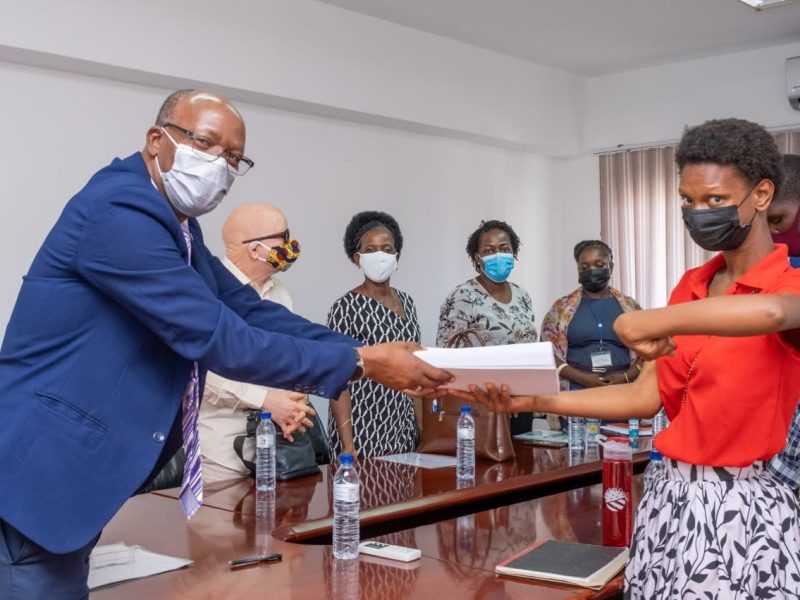
Reaching decision-makers
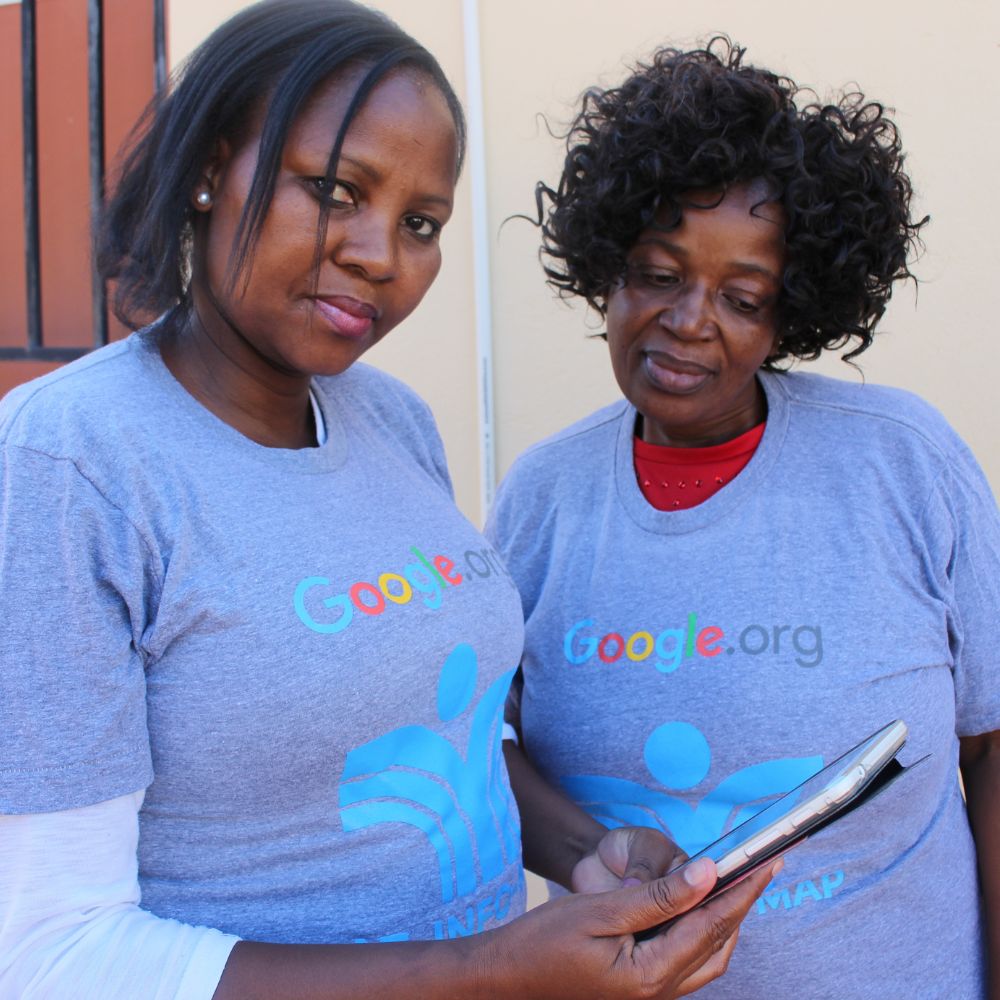
Youth Ambassadors worked with SAFOD’s affiliates to raise issues with people in power as part of youth disability advocacy. They met members of Parliament, ministers, and local councillors. The engagement meetings turned youth concerns into requests for change. In the photo above, a youth ambassador presents a Call To Action in Namibia.