Federation of Disability Organizations in Malawi (FEDOMA)
2012-2013: Inclusive Education for Children with Disabilities
I worked on inclusive education for children with disabilities as District Coordinator for a World Bank-funded project. I coordinated activities in Mchinji, part of a three-district pilot with Lilongwe and Salima.
The problem
Most children with disabilities in Malawi were not in school, or were not counted if they were. Around 2% of children in school were recorded as having a disability, far below the World Health Organisation’s estimate of 10% to 15% of all children. Schools also lacked any system for finding these children. In more than one in ten schools checked, staff could not produce any record of pupils with disabilities.
Even children with disabilities who made it into school fared worse than their classmates. They tended to start school later, repeat grades more often, and drop out early. Girls with disabilities were less likely to enrol than boys, and less likely to finish primary school at all.
Mchinji was the hardest of the three pilot districts to work in. Teachers there held the most negative attitudes towards disability of the three districts, and 44% had no formal teacher training, the lowest rate in the pilot. The district’s own education plan made no mention of children with special needs.
The solution: inclusive education for children with disabilities
FEDOMA, funded by the Japan Social Development Fund through the World Bank, designed a three-year project across Mchinji, Lilongwe and Salima, built around six parts.
Situational analysis: survey 150 schools and their communities to find out how many children with disabilities were in school, and how many were not.
Campaign: run workshops for parents, schools and local government to build support for inclusion.
School block grants: give up to 50 schools per district funds of up to USD 9,200, for items such as Braille books and accessible desks.
Capacity building: train 1,500 teachers, starting with 500 regular teachers at the block grant schools.
Monitoring and evaluation: track enrolment and retention of children with disabilities, against a target of a 50% rise per school.
Policy dialogue: work with the Ministry of Education to help shape a national inclusive education policy.
What my team and I did
Here’s what the inclusive education for children with disabilities work involved in Mchinji:
Stakeholder engagement
Attended the project’s launch meeting in Lilongwe in January 2013, then worked with the Mchinji District Education Manager to select target schools, zones and teachers.
Situational analysis
Took part in field research across Mchinji, visiting schools and communities to record how many children with disabilities were in school, and to find those who were not.
Community engagement
Worked with parents of children with disabilities to set up support groups, building trust between families and the project team.
Capacity building and policy dialogue
Took part in FEDOMA’s training on policy dialogue, and on monitoring and evaluation, run by the Consortium for Inclusive Education Malawi in September 2013. Helped draft sections of a position paper to raise with the Ministry of Education.
Reporting
Wrote and submitted Mchinji’s monthly progress reports to FEDOMA, covering activities, challenges and plans for the next phase.
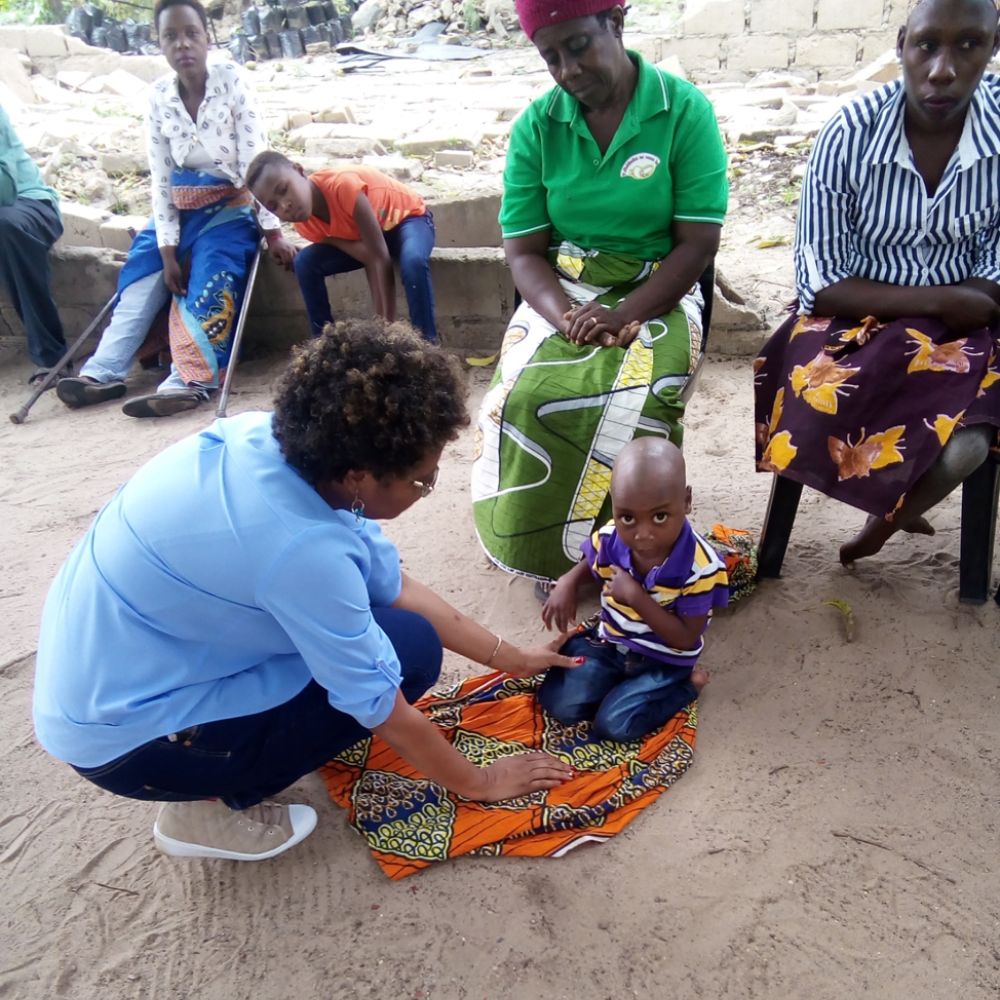
Inclusive Education project activities in pictures
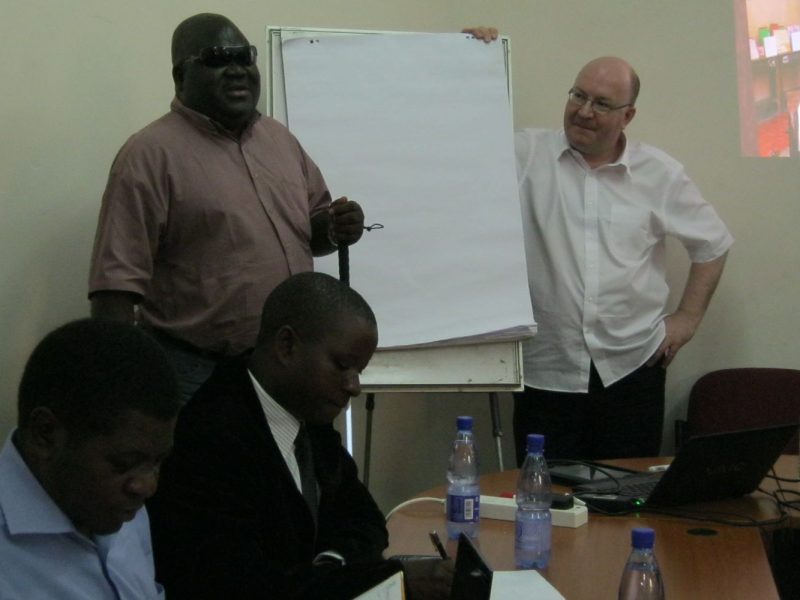
Orientation workshop for the inclusive education project team and strategic stakeholders.
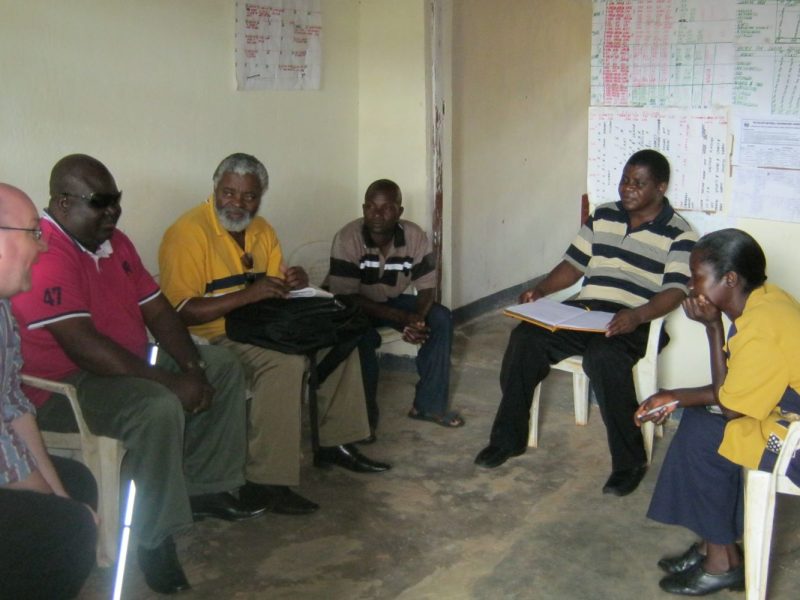
Field work for the inclusive education project team at one of the targeted primary schools in Mchinji.
Results: inclusive education for children with disabilities in Mchinji
This district-level work fed into FEDOMA’s wider disability portfolio, alongside related projects like Strengthening Health Services for Persons with Disabilities and my project management services in the nonprofit expertise category.