

Planning your day is one of the simplest ways to get more done with less stress. It takes ten minutes. It pays you back all day long. This article walks through six practical steps for planning your day. It starts with your first cup of coffee and ends with your last look at your to-do list.
Watch the video where I walk through all six tips: Planning Your Day for Success on YouTube.
What Planning Your Day Really Means
Planning your day is not about filling every minute with tasks. It is about deciding, before the day gets noisy, what actually matters today. Most people start their day by reacting. They check their phone first thing. They answer the loudest request, not the most important one. By nine o’clock, someone else’s priorities have already taken over their morning.
Planning your day flips that order round. You decide your priorities before anyone else gets the chance to decide them for you. That decision happens on paper, or in an app, for five or ten quiet minutes before the noise starts. It sounds small. It is not.
That single shift is why planning your day works so well for people who feel constantly behind. It is not about doing more hours of work. It is about choosing the right hours to spend on the right things. The six tips below break this process down into simple, repeatable steps. Use them every day, whether you are a student, a freelancer, or running a busy household.
You do not need any special training to plan your day well. You need ten quiet minutes and a willingness to write things down. The habit gets easier each week you keep it up. After a month, planning your day stops feeling like a task on its own list. It becomes the thing that makes every other task on that list easier to manage.
Tip 1: Start Your Day With a Planning Session
Begin each day with a short planning session before you open your inbox. Sit down with a notebook or an app. Spend five to ten minutes listing what needs your attention today. Do this before you check email or social media. Those will pull your attention onto everyone else’s priorities before you have even chosen your own.
This step matters because your brain holds a rough, jumbled list of tasks until you write it down. Half-remembered tasks create a background hum of stress all day, even when you are not actively thinking about them. Writing them down clears that clutter out of your head. It gives you one clear, visible starting point instead of a dozen half-formed worries.
A planning session for planning your day does not need to be fancy. A pen and a piece of paper work just as well as any app. A quiet corner of the kitchen table is all you really need. Some people prefer to do this with a cup of coffee, before anyone else in the house is awake. Others use the first ten minutes at their desk, before opening any other tab. What matters is consistency. Do it at roughly the same point in your morning, every working day. That way it becomes automatic, rather than something you have to remember.
Tip 2: Set Clear, Achievable Goals for the Day
Once you have your list, turn it into a small set of clear goals for the day. Pick no more than three or four main goals. Trying to do everything on your list often means finishing nothing properly. Three finished tasks beat eight half-finished ones, every time.
A clear goal states exactly what “done” looks like. “Work on the report” is vague. You could spend ten minutes or three hours on that. You could still call it “worked on.” Now compare that with “finish the first three pages of the report.” That goal is different, because you either did it, or you did not. This matters because vague goals leave you unsure whether you actually made progress. That uncertainty quietly drains your motivation by mid-afternoon, even on a day where you worked hard.
Achievable goals also protect you from needless disappointment. Say you plan six hours of deep, focused work into a day with only three free hours. You end up feeling like you failed, even though nothing actually went wrong. The plan was simply too big for the day. Look honestly at how much time you actually have before you decide what you can achieve in it.
Tip 3: Prioritise Tasks by Importance and Deadline
Not every task on your list deserves the same amount of attention. Look at what happens if a task does not get done today. A report due this afternoon carries real weight. An email to an old contact can usually wait a day or two without any real cost.
Rank your tasks by asking two simple questions. How important is this task? How soon is it due? Tasks that are both important and urgent go first, always. Tasks that are neither can often wait until tomorrow, or get dropped from the list altogether. This two-question filter takes seconds to run through your list, but it changes which task you actually start with.
This step keeps you working on what genuinely moves your day forward. Without it, you end up working on whatever task sits at the top of your inbox. That task is rarely your most important one. Crossing off a genuinely important item also gives you a real sense of progress. Ticking off five small, unimportant tasks feels busy. Finishing one important one feels like actual progress, because it is.
Tip 4: Block Time for Each Task
Once your tasks are ranked, give each one a rough slot of time in your day. This does not need to be a detailed, minute-by-minute schedule. A simple block, such as “9am to 10:30am: report,” is enough to keep you on track without feeling boxed in.
Time blocks work because they turn a long, open day into a series of short, manageable stretches. An empty eight-hour day feels vague and slightly overwhelming. Four clear ninety-minute blocks feel completely doable. Each one has a defined start, a defined end, and one clear job to do. That structure makes starting each task feel far less daunting than staring at an open-ended to-do list.
Leave gaps between blocks too. Back-to-back tasks with no breathing room lead to rushed work and a tired brain by mid-afternoon. A ten-minute gap to stand up, stretch, or make a drink resets your focus for the next block. This site covers time blocking and task batching in more detail elsewhere, if you want to go further. For planning your day well, though, a rough time block for each task is usually all you need.
Tip 5: Review Your Plan and Adjust as the Day Goes
Check in on your plan partway through the day, not just at the end. A quick look at lunchtime shows you whether you are on track or already falling behind. Catching this early gives you time to adjust. Catching it at 5pm only tells you what already went wrong.
Plans rarely survive contact with a real day completely untouched. A meeting runs long. A task takes twice as long as you expected. Someone asks for something urgent that was never on your original list. When that happens, adjust your plan rather than abandoning it altogether. Move a lower-priority task to tomorrow. Shrink a task down to its most useful, essential part, and finish that instead of nothing at all.
This step matters because a plan you refuse to adjust becomes useless. Reality almost always changes at some point in the day. Planning your day well means treating your plan as a guide, not a rulebook. A good plan bends. It does not break the first time something unexpected shows up.
Tip 6: Reflect on Your Accomplishments and Areas for Improvement
At the end of the day, take five minutes to look back before you close your laptop. Note what you finished. Note what you did not finish, and be honest about why. This short review turns each day into a small lesson. Without it, the day simply disappears once it ends.
Getting pulled into your phone tells you something specific to fix tomorrow. Try putting it in another room during your first work block. Finishing your top task before lunch tells you something too. It means your morning planning session is working well and worth keeping as it is. Small, honest observations like these add up over time into real changes in how you work.
Reflection does not need to be long or complicated. A few honest lines in a notebook are enough. You are not writing a report for anyone else. Over a few weeks, this habit shows you patterns you would otherwise miss. You will spot which time of day you focus best in. You will also spot which type of task you keep quietly avoiding.
Why Planning Your Day Reduces Stress
Stress often comes from uncertainty, not from the actual amount of work in front of you. When you do not know what you should be doing next, your brain keeps circling back to check. That background checking is tiring, even when you are not aware it is happening. Planning your day removes most of that uncertainty in one short session.
Once your priorities are written down, your brain can let go of tracking them. It trusts the list instead of trying to hold everything in working memory at once. This is the same reason writing a shopping list feels calming before a big grocery trip. You stop worrying about forgetting something, because it is already written down.
People who plan their day also tend to feel more in control, even on genuinely busy days. The workload has not changed. What changes is the sense of having a map for it. A busy day with a clear plan feels manageable. The same busy day with no plan feels chaotic, even if the actual number of tasks is identical.
A Simple Example of a Planned Day
Here is what planning your day can look like in practice, using an ordinary working morning as an example. At 7:30am, you sit down with a coffee and a notebook for your planning session. You write down four tasks. Finish a client report. Reply to three urgent emails. Prepare notes for a 2pm meeting. Book a dentist appointment.
Next, you set your goals for the day. Finishing the report and preparing your meeting notes matter most, so those become your two main goals. The emails and the dentist booking are smaller tasks that support the day, not the main event. You then prioritise: the report is due today, so it goes first. The meeting notes come second, because the meeting is fixed for 2pm and cannot move.
You block your morning into two chunks. From 8am to 10am, you work on the report. From 10:15am to 11am, after a short break, you reply to your emails and prepare your meeting notes. At midday, you check in on your plan. The report took longer than expected, so you push the dentist booking to tomorrow rather than rushing it. By 2pm, you walk into your meeting fully prepared.
At the end of the day, you spend five minutes reflecting. The report is done. The meeting went well. The dentist booking slipped, but that was the right call given the day. Tomorrow’s planning session starts with that one task already at the top of the list. This is what planning your day actually looks like. Small decisions, made early, keep the whole day moving in the right direction.
Common Mistakes When Planning Your Day
Even a good plan can go wrong if you fall into a few common traps. Knowing these ahead of time makes it much easier to spot them in your own routine and avoid them.
- Packing the day with too many tasks. This leaves no room for anything unexpected to happen.
- Writing vague goals like “be productive” instead of one specific, finishable task with a clear end point.
- Skipping the morning planning session on your busiest days. Those are exactly the days you need it most.
- Ignoring your own energy levels and scheduling your hardest task for your lowest-energy hour of the day.
- Never reviewing the plan once it is written. It slowly stops matching what is actually happening around you.
- Treating the evening reflection as optional and quietly dropping it after a long, tiring day.
Each of these mistakes is easy to fix once you notice it in yourself. Most people only need to catch one or two of these habits before their daily planning starts working properly again. Read back through this list once a week for the first month. It is a fast way to spot which mistake keeps creeping back into your routine.
Additional Resources
Buy Productivity Resources on My Amazon Store
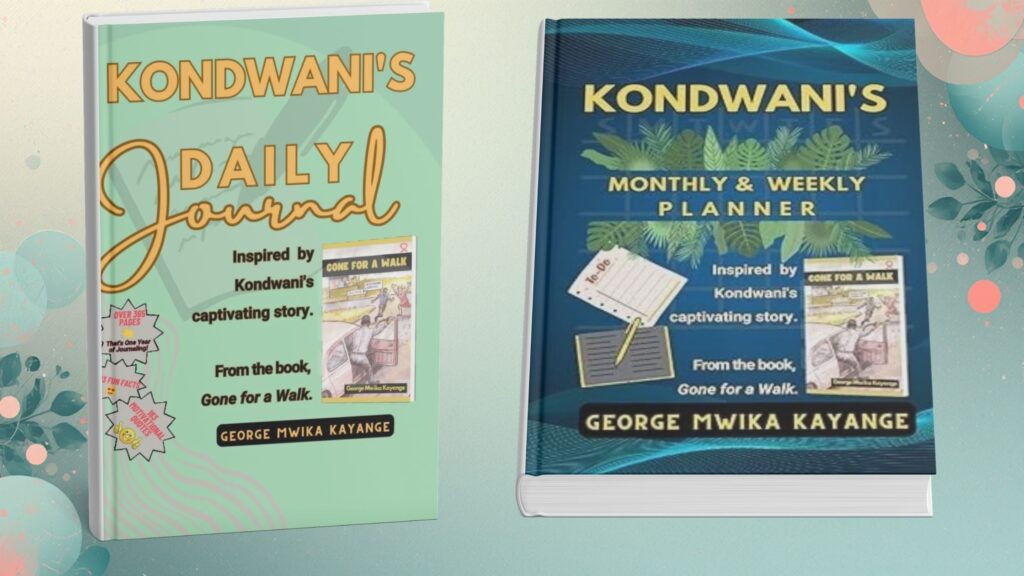
If you want physical tools to support your planning, my Amazon Store has a couple of options worth a look. The Monthly & Weekly Planner is an undated diary with monthly to-do lists. You can start planning your day at any point in the year, without wasting a single page. The Daily Journal covers 365 days of journaling, goal-setting, and short motivational quotes. Both are simple, paper-based tools if you prefer writing your plan by hand, rather than typing it into an app.
Sign Up for Weekly Updates on My LinkTree
For more tips on planning your day and staying productive, head over to my LinkTree and join the community. Weekly updates bring you practical advice, fresh content, and the occasional motivational quote to keep you on track between articles.
Frequently Asked Questions
How long should planning your day take each morning? Ten minutes is usually enough. List your main tasks, pick three or four goals, and rank them by importance. Spending much longer than that turns planning into another task you end up avoiding your real work with.
What is the best time to plan your day? For most people, right at the start of the day works best. Do it before you check email or social media. Some prefer planning the night before instead, which also works well if mornings feel rushed. The key is doing it before the day’s demands take over your attention.
Do I need a special app for planning your day? No. A notebook and a pen work just as well as any app. What matters is the habit of sitting down each day to decide your priorities. The tool you use to write them down matters far less.
What if my plan falls apart by mid-morning? That is normal, not a failure. Check in on your plan partway through the day and adjust it. Move tasks around, drop the least important one, and carry on with what is left.
How is planning your day different from a to-do list? A to-do list is just a collection of tasks. Planning your day adds structure on top of that list. It adds clear goals, priorities, rough time blocks, and a review at the end. The plan tells you not just what to do, but what to do first, and why.
Can planning your day work if my schedule changes constantly? Yes. A flexible plan handles change better than no plan at all. Tip 5 exists for exactly this reason. Treat your plan as something you check and adjust through the day. It is not a fixed script you either follow perfectly or fail.
Should I plan my weekends too, or just workdays? Weekends benefit from a lighter version of the same habit. You do not need three main goals and time blocks for a Saturday. A short list of what you actually want to get done, written down for five minutes, still helps. It stops the day drifting past without you noticing.
What tools work best for planning your day digitally? A basic notes app or calendar app is enough for most people. Complicated systems with dozens of features often get abandoned within a few weeks. Pick one simple tool, whether digital or paper, and stick with it. Consistency matters far more than which tool you choose.